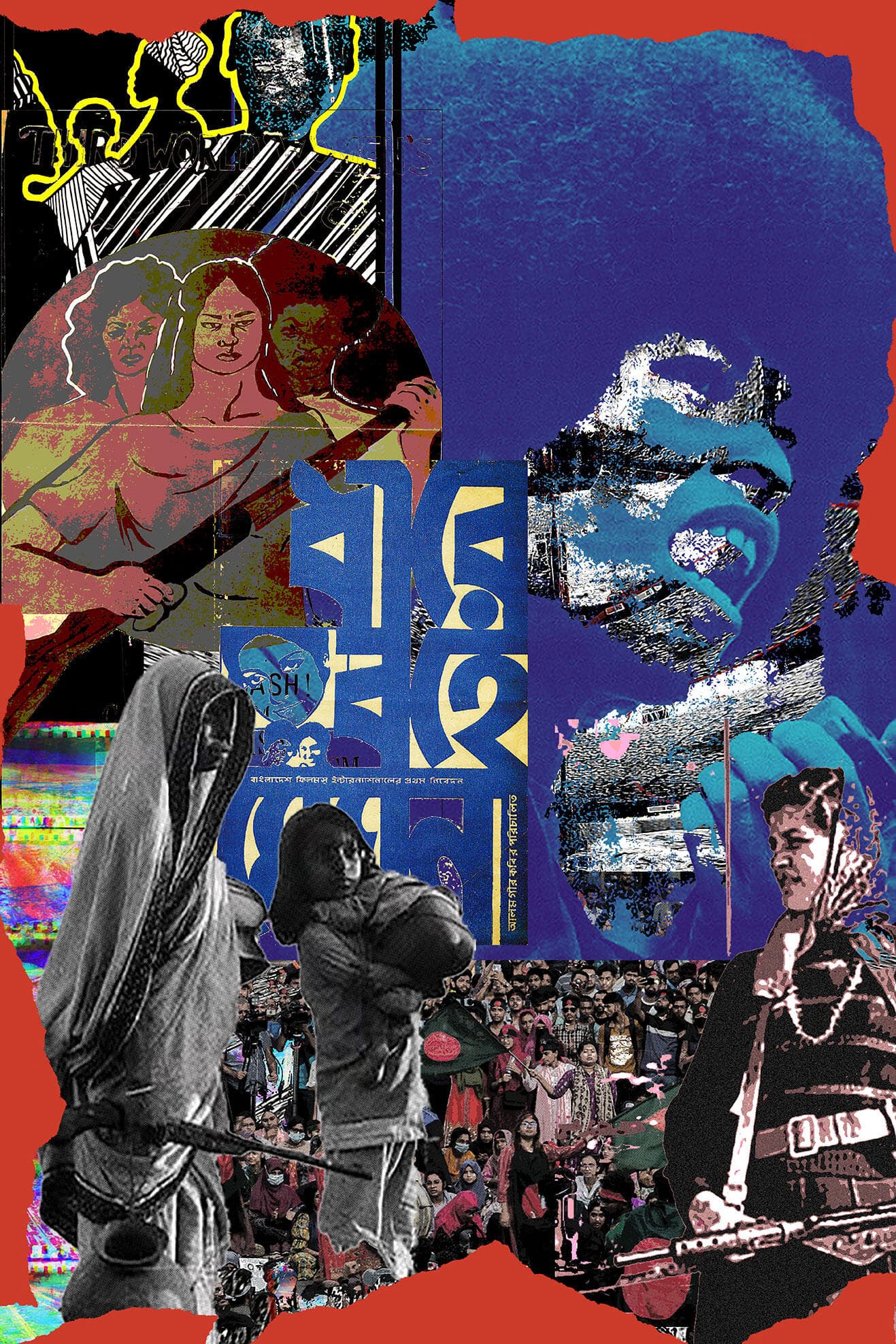
23–27 August 2026 · Münster, Germany
UN•COLONIAL
FILM FESTIVAL
Five days of BiPoC-led cinema, dialogue and collective space outside colonial frameworks.
Space claimed, not borrowed.
Festival passes from €15 — one pass, all five days
One pass. Five days.
One pass, three rates. Every pass gives full five-day access to all screenings, dialogues and performances — the rate you choose does not change what you can attend.
Festival Pass (all 5 days)
The festival runs entirely on pass sales and community donations. The Solidarity Pass carries it. If cost is a barrier for you, write to us.
23–27 August 2026 · Münster
Get your festival pass
Ticket sales run through Ticket Tailor. You choose your rate and pay there — this website does not process payments or store your data.
GET TICKETS →Uncolonial is a position, not a theme.
The colonial gaze still controls cinema — which stories get funded, whose aesthetics count as “world cinema,” who enters the archive. We refuse that structure.
We refuse imperial narratives. Extractive storytelling. Institutional gatekeeping. The demand that we make ourselves digestible. Representation without redistribution of power.
Why Münster
Münster is not an innocent backdrop. The city is entangled with German colonial projects that asserted cultural and political supremacy in Africa, Asia and elsewhere, and those histories still shape its streets, institutions and memory. We are claiming space here — not somewhere else, not in more comfortable language.
Who we are
The BiPoC Referat is the autonomous Black, Indigenous, and People of Color student department at the University of Münster. We run on voluntary labour and limited resources. We are building anyway because we cannot wait for permission.
Our commitments
- Transparency.
- Accessibility: translation, captioning, and childcare built in from the start.
- Collective process: selection is collaborative, not hierarchical.
Five Days.
Four Thematic Blocks.
Films, dialogues, workshops, performances. In-person and hybrid. Over 2,000 films submitted from more than 120 countries. Weeks of collective curatorial work. Over 50 films. Five days to show what we found.
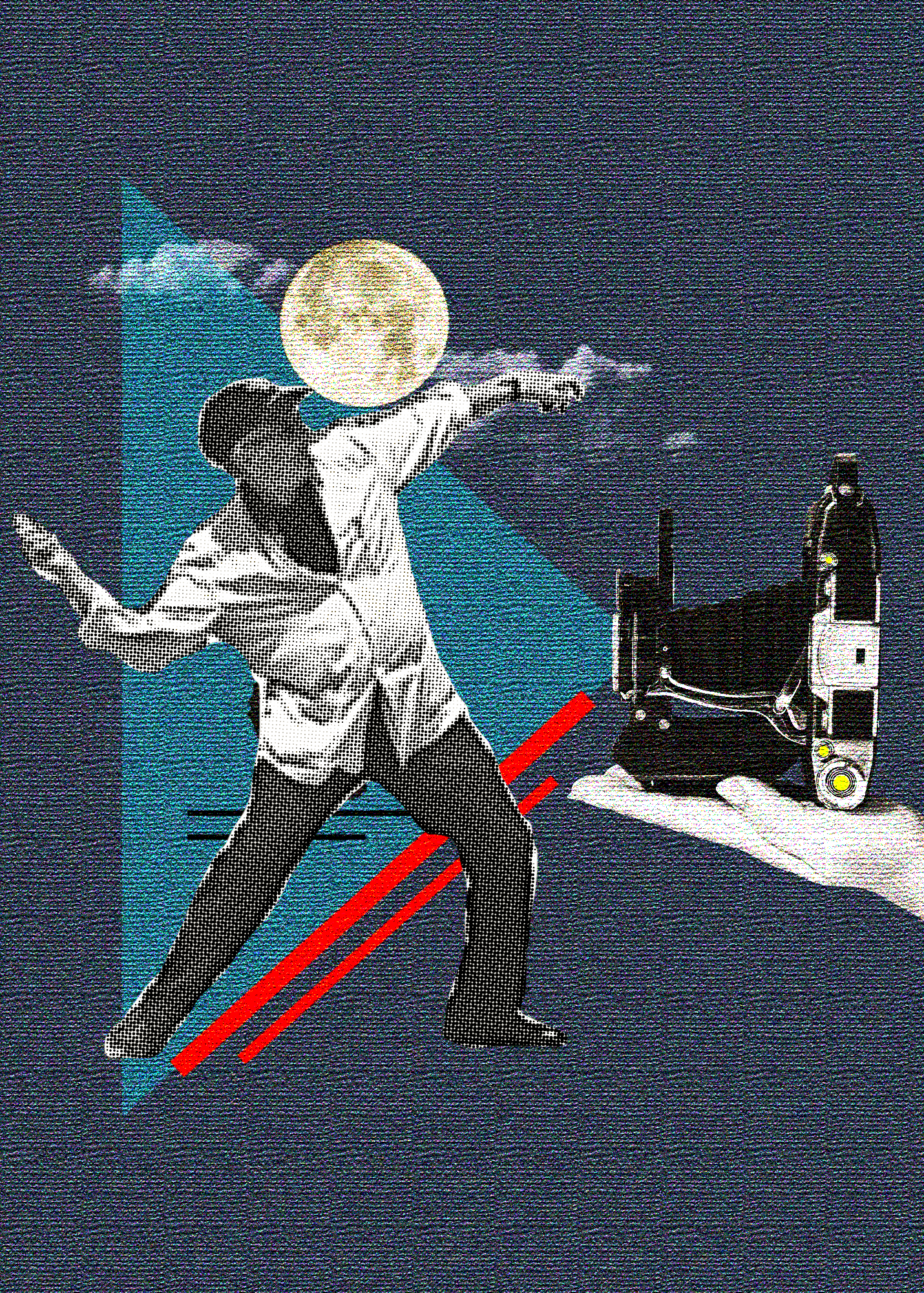
Land, Extraction, Memory
How territory is stolen, poisoned, contested — and how communities resist and reclaim their connection to place.

Diaspora, Exile, Refusal
Living between worlds — in grief, anger, ambivalence, survival — and the acts of resistance that displacement does not extinguish.

Form as Weapon
Experimental, essay, and hybrid works that use form itself as an act of resistance. Aesthetics the mainstream circuit would never fund or canonise.

Futures / Otherwise
Resistance not as a moment but as a continuity. The present and the possible held at the same time. Not optimism. Not closure. A different orientation.
No competitive awards. All selected films are equally valued.
The detailed screening schedule will be published on this page and our channels.
Already confirmed
- A workshop with an Indigenous filmmaker on storytelling as resistance — the specific practice through which Indigenous culture has survived colonial violence for generations.
- A film confronting occupation and the slow erasure of a people, presented by its maker.
- A dialogue on colonial archives with an artist and researcher working between Europe and Africa — who gets to hold a camera, whose images enter history, and what it costs to return what was taken.
These are not guests. They are the argument.
Plan your visit.
- When
23–27 August 2026 · 5 days
- Where
Münster, Germany
Schlossplatz 46, H1
48143 Münster, Germany
- Tickets
One festival pass covers all 5 days. From €15.
Checkout is provided by Ticket Tailor; this site does not process payments.
- Format
Films, dialogues, workshops, performances. In-person and hybrid.
- Languages
Films screen in their original languages, from many geographies.
We aim to provide translation and captioning for key events as capacity allows.
- Access
Accessibility is a priority. Detailed accessibility information for the confirmed venue will be published as soon as it is available.
Write to us about specific access needs and we will work it out together.
Anything unanswered? uncolonialfilmfestival@gmail.com
Independent coverage.
What others have reported about the festival — in their own words.
Frequently
Asked.
Five days. Four thematic blocks. One festival built outside colonial frameworks.
23–27 August 2026 · Münster, Germany · Festival passes from €15
GET TICKETSThis festival exists because people show up.
We run on voluntary labour, pass sales and donations. No state funding. No corporate support — not because we couldn’t try, but because we don’t want to. We would rather build something smaller and fully ours than something larger and compromised.
Volunteer
We are looking for people who want to build this with us — not just attend it. Volunteers are part of the festival’s infrastructure.
We need people for:
- Event logistics — setting up, running the day, keeping things moving
- Venue and technical setup — equipment, screening, sound
- Welcoming and hosting guests — receiving filmmakers, speakers, and audiences
- Subtitling and translation — making the programme accessible across languages
- Social media and communications — documenting and sharing what we build
You bring your capacity, we build together. There is no hierarchy between volunteers and organisers.
If you need to document your contribution for university credit or internship requirements, we are happy to provide confirmation of your work. Write to us and we will find a way.
Who can volunteer
BiPoC people are prioritised. Allies who are genuinely committed to anticolonial politics and can follow BiPoC leadership are also welcome.
Interested? Write to us:
uncolonialfilmfestival@gmail.comSubject line: Volunteer — Uncolonial Film Festival
Donate
We are transparent about money because transparency is a political commitment.
Everything we collect goes directly toward:
- Solidarity contributions to artists and guests
- Accessibility — translation, captioning, childcare
- Technical and venue costs
- Building infrastructure that outlasts this edition
We will publish a full financial report after the festival. You will be able to see exactly where every euro went.
How to donate
Send via PayPal →For bank transfer, write to:
asta.bipoc@uni-muenster.deSubject line: Donation — Uncolonial Film Festival
No amount is too small. No donation buys influence over what we programme or how we work. That is not a courtesy — it is a condition.
Space claimed, not borrowed. But claiming space costs something. Thank you for helping us pay for it.